

In the bustling earth of self-storage, efficiency and convenience will always be at the front of innovation. The change from guide procedures to are storage units responsible for theft is not just a technical progress; it's a innovation in exactly how we think about storing and opening our possessions. That change is reshaping the storage market, offering enhanced experiences for both operators and clients alike.
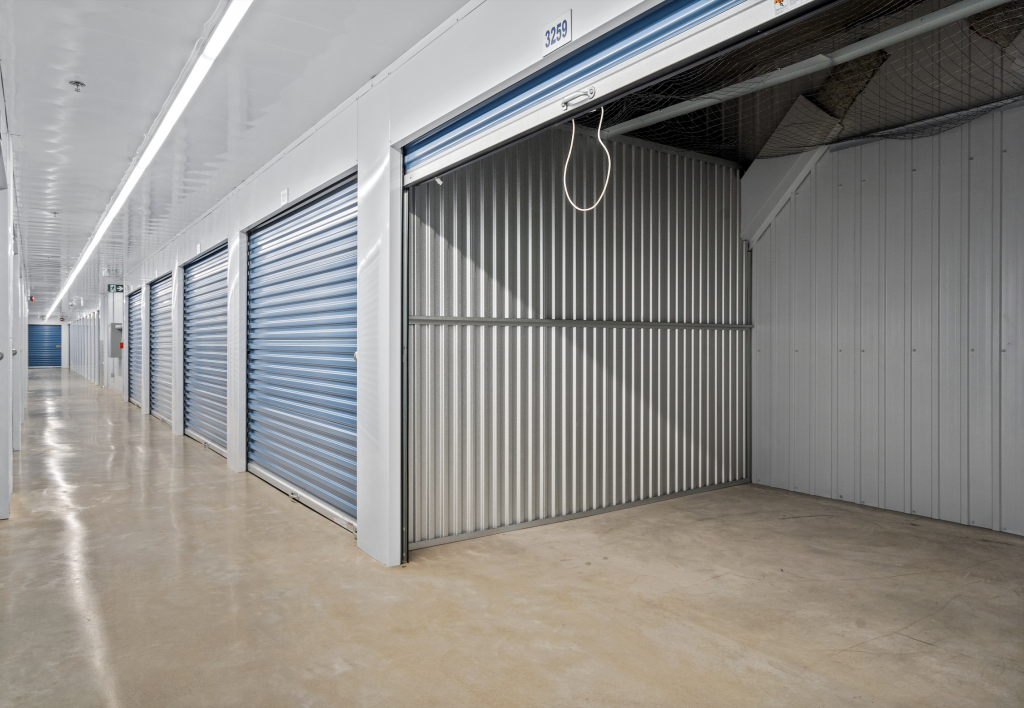
Automation is gradually infiltrating the self-storage landscape, transforming traditional facilities into clever, effective spaces. From electronic entry techniques to automated supply management, technology is streamlining procedures and increasing client interactions. That change is substantial for ability homeowners and managers who seek to enhance their services and meet up with the rising objectives of these clientele.
One of the very obvious changes in automated self-storage is the implementation of clever accessibility systems. Gone are the times of bodily keys and information secure check-ins. With computerized programs, consumers can gain access to their devices through cellular apps or keypads, giving an easy access experience. That not only promotes safety but additionally offers freedom to clients, enabling accessibility whenever you want without the necessity for staff on-site.
Inventory management is yet another region wherever automation is creating its mark. With the integration of advanced application, operators can now check system occupancy, track client actions, and control billing more efficiently. Computerized stock techniques decrease the likelihood of individual mistake, ensuring that records are correct and up-to-date. This permits managers to make knowledgeable conclusions based on real-time knowledge, finally increasing the facility's overall performance.
More over, automation offers a personalized knowledge for customers. With data-driven insights, companies may better understand their customers' tastes and behaviors, tailoring their companies accordingly. For instance, computerized techniques may suggest optimal storage options predicated on a customer's wants, enhancing satisfaction and fostering loyalty.
The transition from guide to mechanical operations in self-storage is not without their challenges. The original investment in technology and training could be substantial, and there can be a understanding bend for equally staff and customers. Nevertheless, the long-term benefits of automation—such as improved efficiency, paid off detailed costs, and improved customer satisfaction—much outnumber these preliminary hurdles.

To conclude, the integration of automation into self-storage is revolutionizing the industry. By adopting these technologies, facilities will offer enhanced services, streamline operations, and meet up with the changing needs of modern consumers. Once we continue steadily to improve right into a electronic age, those who grasp automation will likely arise as leaders in the self-storage industry, giving a product for the others to follow.